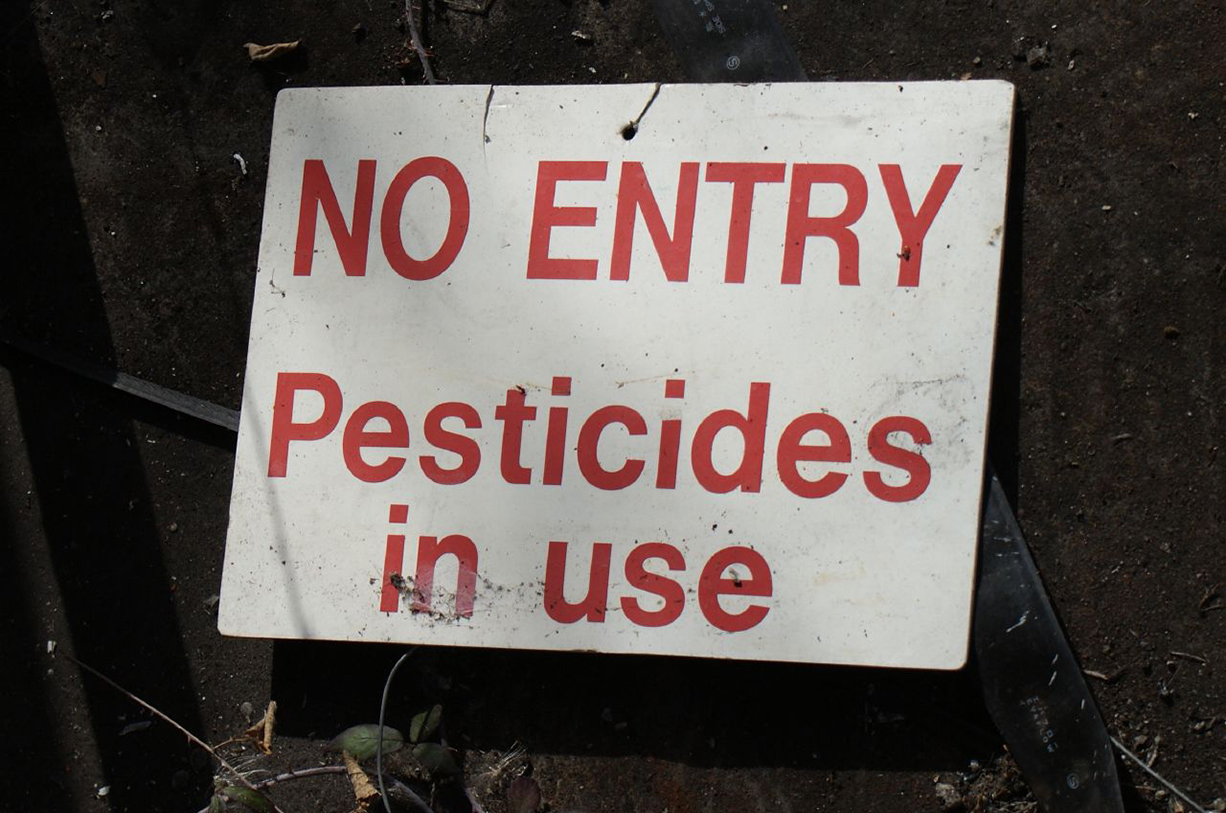
The Carney government has just launched a major attack on the health and safety of Canadians. Buried within the omnibus Bill C-30 are substantial changes to the Pest Control Products Act. The changes will allow the prime minister’s cabinet to override Ministry of Health decisions to restrict or ban pesticide products due to unacceptable environmental risks. Why? In the interest of “national economic or food security,” of course!
Additionally, Bill C-30 massively expands existing loopholes allowing banned pesticides to be used for up to one year in emergency situations with prior authorization from Health Canada. Now, the cabinet will be able to approve requests to use banned pesticides, including those proven to be unsafe for human health, even if the request has already been denied by the health minister—and for a period of up to six years upon approval! Again, the justification given is “economic security.”
Meanwhile, the bill also modifies the mandate of the Canada Food Inspection Agency (CFIA). Where the CFIA was previously tasked only with upholding public health and safety, the agency will now be asked to “facilitate trade and commerce,” as well as to “consider national economic security, regional economic security or national food security”. Just like with pesticides, the Act assures us that these measures will only be used when “necessary”, but makes no attempt to explain when that might be.
Despite the potential consequences to public health, Bill C-30 was rammed through parliament with minimal input. The CFIA and pesticide act changes were buried in a bill that is otherwise made up of relatively minor legislative tweaks related to the Spring Economic Update. Before the vote, the bill was discussed only by the Finance Committee, bypassing the Health Committee. The final debate on the bill lasted only three hours. Scientists and public health experts were not invited to testify before parliament; in fact, some asked for a chance to testify and were turned down.
Where was Carney’s minister of Health, Marjorie Michel, the day that Bill C-30 was first introduced to parliament? She was speaking at an event hosted by the lobbyist group CropLife Canada, which represents Canada’s biggest pesticide producers. She and her political adviser have met with CropLife representatives at least six times since December 2025. As Michel herself bragged, it is unprecedented for the health minister to meet directly with CropLife. But it is certainly not unprecedented for politicians to rub elbows with capitalists!
CropLife denies that they specifically requested these changes, but they were quick to praise them in a statement to CBC News. Meanwhile, Michel refused to answer the CBC’s questions or sit for an interview about the bill. She even refused to answer a fellow member of parliament’s question about which ‘stakeholders’ were consulted about Bill C-30’s changes to the CFIA’s mandate (though we can probably make an educated guess).
The rushed debate over Bill C-30, the schmoozing between Ottawa and the pesticide industry, and the celebratory attitude of lobbyists like CropLife make clear the real purpose of this legislation: to help boost profits at the possible expense of Canadians’ health. This is ultimately yet another demonstration that for the Canadian ruling class, a “strong economy” does not mean decent jobs and a high standard of living for ordinary people. When they talk about a “strong economy”, it means slashing regulations so the bosses can rake in even more money, even if it comes at the expense of the environment and human health. The whole of the Carney government, even the minister of Health, is happy to help them carry out that mission.

