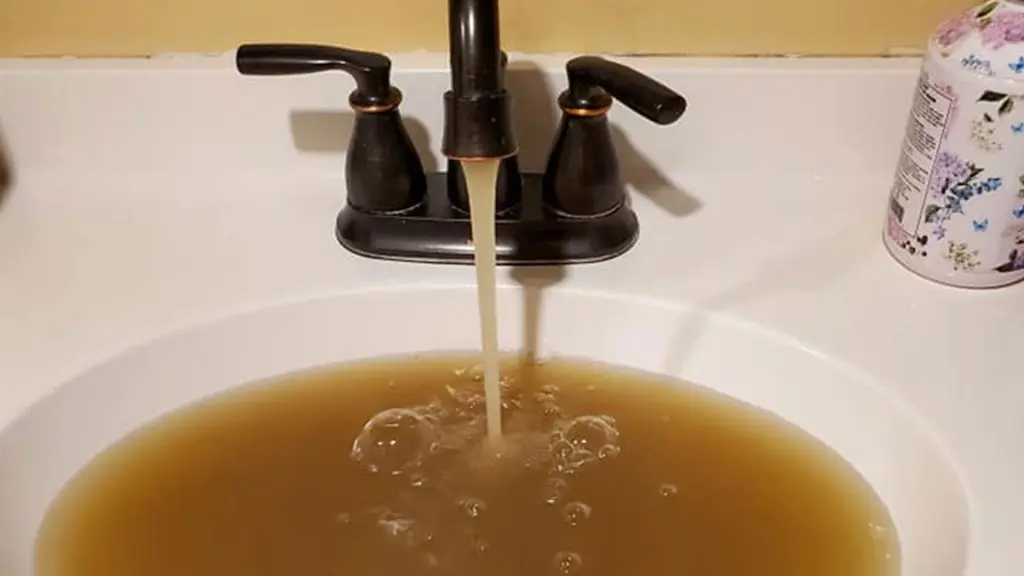
The Liberal government has tabled a new First Nations clean drinking water bill, Bill C-37. Bending to pressure from mining and oil and gas corporations, this bill backs away from stating that First Nations people have the right to clean drinking water. This is just another hypocritical reversal from Carney’s Liberals.
The legislation is a new version of Trudeau’s 2023 Bill C-61, which was drafted as part of the settlement of a class-action lawsuit brought by First Nations who accused the government of failing to address prolonged boil-water advisories. The bill was not successfully passed at the time.
The bill’s original text “recognized and affirmed that it is a human right of every individual on First Nations land to have access to clean and safe drinking water in accordance with this Act.” In contrast, Bill C-37 turns the clear recognition of a right into an aspirational goal, aiming only to “further the progressive realization… of the human right to safe drinking water.”
The backtracking has not been lost on Indigenous leaders. As Grand Chief Linda Debassige of Anishinabek Nation stated: “To me, [this] is insane. It’s been a progressive realization for many of our nations for decades.”
There were high hopes for Bill C-61 among many Indigenous people. Lack of clean water remains a huge problem across First Nations. Officially, there are 38 communities across the country that still have long-term water advisories, some of which have been active for more than 20 years. This number excludes dozens of reserves that “only” suffer temporary outages—even if the outages happen regularly enough that communities have functionally not had safe water for years.
These advisories affect every aspect of life in these communities. An article from the Investigative Journalism Bureau put it well:
“Sure, drinking comes first to mind. But what about firefighting? What about toilet training when all you’ve got is an outhouse and it’s 40 below? What about treating lice when you’ve no water to mix with your special shampoo?”
The Liberals have been promising to solve this issue for years. Mark Carney himself has repeatedly promised “reconciliation” since he was elected. But now, like always, they’re backtracking.
When Bill C-61 was being debated in 2023, the provincial governments of Alberta and Ontario argued that it would “undermine competitiveness, and delay project development.” This cuts right to the heart of the matter. The ruling class of Canada is on a war path against anything that stands in the way of their unfettered right to profit. In the current context of changing trade relations and disruptions to global oil supplies, they are moving to fast track oil and gas and mining projects, regardless of the consequences.
In other words: Mark Carney, Danielle Smith, and Doug Ford all believe that corporations should be allowed to pollute our water. The consequences of this will affect ordinary native people most of all.
For example, look at Grassy Narrows First Nation, whose water is still contaminated after a pulp mill dumped toxic waste into the river system in the 1960s and 70s. Today, 90 per cent of residents show signs of mercury poisoning. Now they’re fighting against mining operations that were fast-tracked by the Ontario government. The new Kinross Gold mine could further contaminate the water supply with sulphates that accelerate the development of a deadly neurotoxin. According to the Ontario Land Tribunal, “no reasonable person” would have issued the permit to mine there.
Another example is the Athabasca region in northern Alberta, where oil sands tailing ponds have contaminated the water supplies of a number of Indigenous communities. Incidentally, communities like Fort Chipewyan suffer from abnormally high rates of cancer.
Cases like these show why the government refuses to acknowledge clean drinking water as a right. In their eyes, it would be an unnecessary obstacle to their economic plans. Capitalism inevitably puts profit over human need. And as long as this system is left standing, Indigenous people will suffer.

