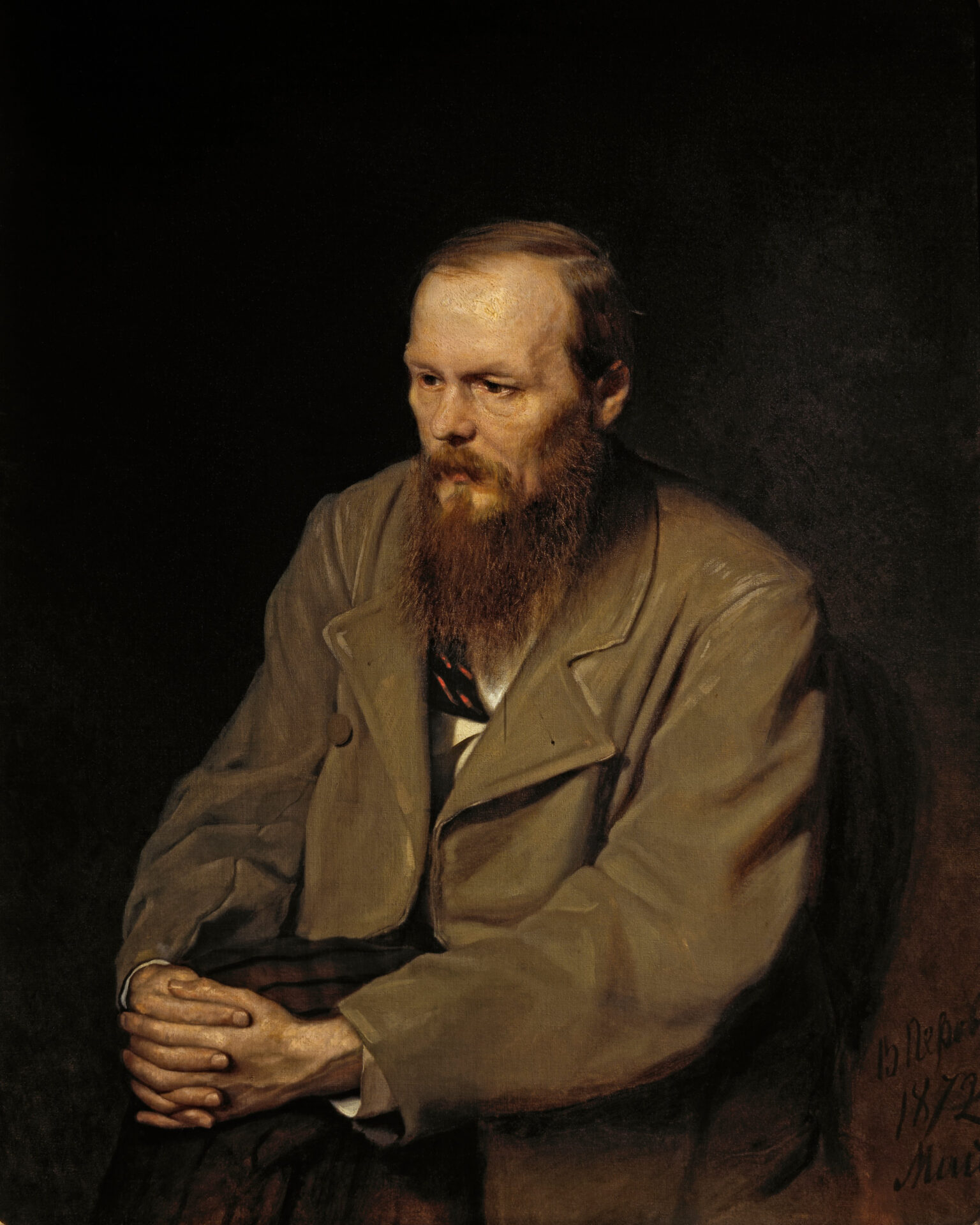
A full-scale Dostoevsky revival is underway. Driven by interest from Gen Z, his works are flying off the shelves across the world. Sales of Notes from Underground quadrupled during the pandemic. The publisher Editora 34 reported a 53 per cent increase in sales of Crime and Punishment since the start of this year. In the literary corners of YouTube, TikTok and Instagram you can find quote compilations, hour-long video analyses, and gushing praise for Dostoevsky’s works, sometimes getting millions of views.
How can the Dostoevsky revival be explained? His fundamental appeal to young people is how relevant his works are to their lives. His dark, deeply psychological novels connect with the prevailing depression of the youth, and his vague anti-establishment aura also helps.
White Nights
Doestoevsky’s 1848 novella White Nights, which has blown up more than any other Dostoevsky work, is an excellent example. Since 2024, it has trended again and again on social media, and skyrocketed to the top of book-sales charts. The same publisher, Editora 34, saw a 463 per cent increase in sales of the novella in just the past year. White Nights has become a top-seller in countries from Brazil to Spain, and it ranks as the best-selling Penguin Classic of 2024, with over 100,000 copies sold in Britain alone.
Many Gen Z readers have immense enthusiasm for the story. One Tiktok commenter said that it is “the most relatable book I’ve ever read.” Another said that it “will follow you for the rest of your life.” These are just a sample of the thousands of rave reviews that White Nights has inspired.
It’s easy to see the appeal. The novella, which tells the story of a fleeting four-night romance between the solitary “dreamer” and the melancholy Nastenka, seems tailor made to the lost, lonely, youth of today. In 80 intense pages, Dostoevsky gets right to the heart of loneliness—the longing to share one’s inner world, the life-changing importance of being understood for even just an instant, the heartbreak of being the “back-up friend” and your love choosing another.
But White Nights is deeper than that. It is not about being absolutely alone. It’s about the loneliness of being surrounded by people and yet without connection. “Oh no, I see people, of course; but still I am alone,” says the dreamer.
The dreamer is a solitary observer of life around him. Despite having a city around him and even friends who visit, he’s alone because he has no close connections. The predicament of many young people today is similar. Despite being surrounded by people on social media, the average Gen Z adult has only two close friends, 27 per cent of Gen Z have none at all, and 60 per cent feel lonely regularly.
White Nights is not just relatable. Dostoevsky manages to make solitude feel bearable and even poetic. Through the dreamer, he shows the beauty of inner life—because the dreamer dreams. For him, everyday street scenes become intense dramas. He lives a thousand lives, visits faraway places. He loves and is loved. Sorrow, rapture, the greatest heights of joy and despair, he experiences all of this in his head.
The beauty of Dostoevsky’s writing ties this all together. White Nights stands out for “the beautiful lightness and delicacy of its tone, its atmosphere of springtime adolescent emotionality,” in the words of Dostoevsky biographer Joseph Frank. Paired with Dostoevsky’s grace and compassion for the dreamer, plus the dreamer’s own unselfish purity, this has a powerful effect. It “bowls you over: it’s real life written in a poetic way,” wrote one TikTok user.
Crisis of capitalism
White Nights has become an entry point into the rest of Dostoevsky’s work for many readers.
Moving on to his darker, more existential major works like Crime and Punishment, they find young protagonists much like themselves, living in a society in crisis, wrestling with existential questions of meaning and purpose—and searching for a way out.
The Russia of the 18th century was in deep crisis. The feudal system was breaking at the seams. Tsarist autocracy was deeply hated by a growing layer of radical youth. This crisis pushed them to search for a way out, creating an ideological battleground as the youth debated all kinds of different ideas in their search for a way forward. Dostoevsky’s stories depict the psychology of such an epoch with remarkable insight.
Like in the Russia of Dostoevsky’s day, a growing layer of people, especially among Gen Z, is questioning the status quo and searching for answers. The Dostoevsky revival is one part of a revival of interest in ideas of all kinds—from classic literature, to philosophy and even religion. Politically, we see a revival of ideas from individual terrorism, to extreme conservatism, to communism.
The search for answers, especially among the youth, is characteristic of the beginning of all revolutionary periods. The ideological debates of Dostoevsky’s time, dramatized so brilliantly by him, eventually crystallized into Bolshevism and culminated in the Russian Revolution.
If the forces of communism do our work right, the youth will once again find their ultimate answer in communism. Dostoevsky has already made his contribution to this process, for the second time in history: offering the youth of a declining system a stepping stone in their quest for meaning, liberation and lives worth living.

