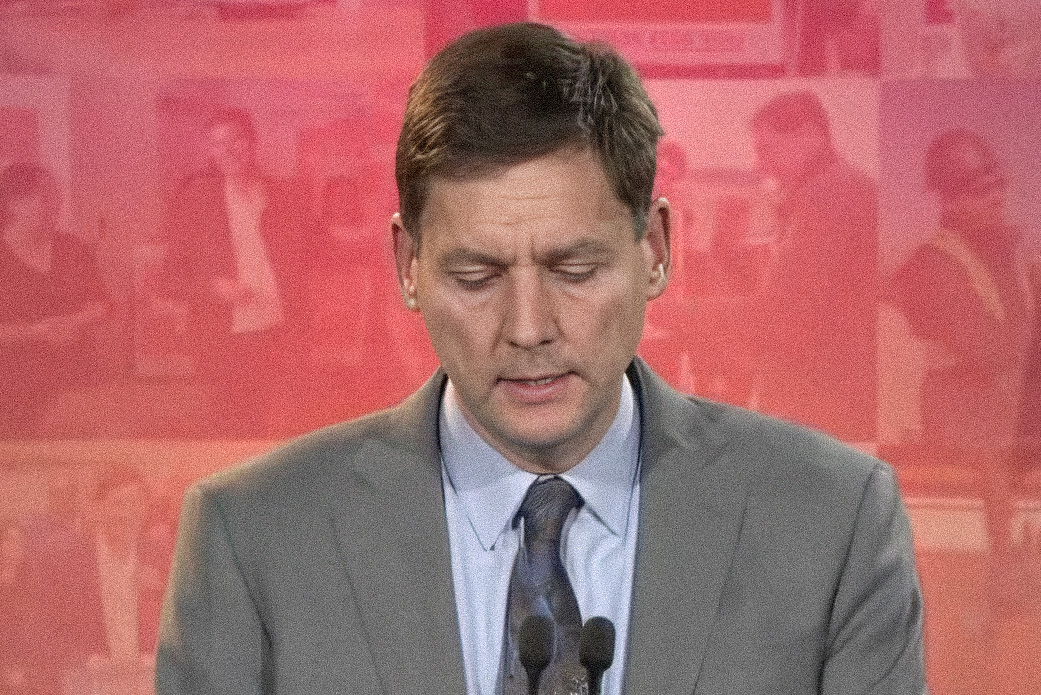
When B.C. Premier David Eby called a snap election just five weeks ago, he wished for a stronger mandate for the government. The monkey’s paw curled. Now, the B.C. Conservatives are in power for the first time in nearly a century—with a commanding 64-seat majority.
How the B.C. Conservatives, which had been hemorrhaging MLAs over the summer, got its act together to form government has baffled commentators across the political establishment. As we said elsewhere, neither candidate was popular among voters—but frankly, Conservative interim-leader Lorne Doerkson didn’t have to be.
NDP betrayal behind their defeat
When Eby first called the snap election, most people clearly understood it as an opportunist maneuver to take advantage of the then-imploding Conservative party. But the B.C. NDP has been shedding support for years, having barely made government in the last election.
The party has overseen a degradation of living standards across nearly every aspect of life. Rents in B.C. are the highest in the country, young people are facing recession levels of unemployment, the healthcare system is crumbling, and for one-third of workers a day’s wage isn’t enough to live on anymore. Key industries like forestry, once the backbone of small-town B.C., are in a “death spiral”, with tens of thousands of private-sector jobs lost over just this past year. Not only that, whenever he had to pick between B.C. ‘s working class, or the capitalists bleeding the province dry, Eby consistently sided with the bosses.
When the real estate developers built homes too expensive for ordinary working people to afford, Eby bailed them out. When nurses and public-sector workers demanded higher wages and better working conditions, the B.C. NDP forced them into contracts that didn’t come close to meeting their demands. When the rights of Indigenous people over their land threatened the profits of the capitalists, Eby floated repealing the Declaration of the Rights of Indigenous Peoples Act all together. Most damning of all however is that when it came time to decide who should foot the bill for the provincial debt crisis, the B.C. NDP offloaded it onto the backs of the working class.
Even federal NDP leader Avi Lewis couldn’t bring himself to endorse David Eby, instead simply endorsing the NDP candidate in his riding. In other words, Eby will not be missed.
But this outcome was not because of a personal failing on his part. This is the bind reformism always finds itself in. Unwilling to challenge the capitalists’ power over the economy, the B.C. NDP is forced to defend private property above all else—even if that means attacking the people they purport to defend. And in doing so, they tanked their support.
An unstable supermajority for the Conservatives
No doubt, the ruling class is celebrating that their party of choice is in power for the next four years with a strong majority. At his victory rally, premier-elect Doerkson, flanked by firework fountains, declared “B.C. is definitely blue.” But what do the facts say?
This election had the worst voter turnout since data collection began, with 52 per cent of registered voters not even bothering to show up to the polls. So despite getting 48 per cent of the ballots cast, the Conservatives convinced less than a quarter of British Columbians to vote for them, receiving nearly 50,000 votes less than they did in the 2024 election which gave them official opposition status. They were only outshone by the B.C. NDP, which lost 270,000 votes.
The reality is that B.C. is facing a deep political crisis. Years of capitulations and betrayals by the B.C. NDP, the collapse of the Liberals, and the implosion of the Conservative party has left more than half (51 per cent) of British Columbians feeling like “political orphans”.
Far from “definitely blue”, there is a virulent anger against the status quo brewing beneath the surface. In fact, the only party to gain votes were the B.C. Greens, led by eco-socialist Emily Lowan. At the same time, in the Vancouver municipal election, voters turned out in historic numbers to kick out the pro-capitalist party, electing a coalition of democratic socialists and Greens.
For many voters, choosing between the Conservatives and the NDP felt like having the option to pick the colour of a poisoned pill. The Conservatives will soon learn that their supermajority is an unstable one when they begin to implement their program.
Doerkson has pledged to “bring business back to British Columbia” by slashing taxes on capital goods like machinery and business software, lowering the income tax, cutting down the public sector, ramping up the construction of the Pacific Link pipeline, privatizing auto-insurance and repealing DRIPA.
These policies are just the tip of the iceberg of what the ruling class demands in this era of capitalist crisis. The B.C. Business Council published a book of suggested policies to make B.C. “competitive” in which they lay their cards on the table: make it harder to unionize and illegal to honour picket lines, slash environmental regulations on industrial pollution, and halve the deficit in four years through Chrétien-style austerity.
While the Conservatives didn’t run on an austerity program, the serious bourgeoisie see it as the only option on the table. The barrage of credit downgrades slapped on the province are a warning that if the deficit isn’t reigned in soon, borrowing will only become harder, and austerity even more ruthless. With their mouths watering like hungry dogs, the capitalists are eyeing the largest line item in the budget—public-sector wages—and they’re willing to go to war over them. “Those public-sector unions will not surrender meekly,” said the Globe & Mail, “B.C. ‘s storied history of tumultuous labour relations is about to get a new chapter.” Beyond the budget, the B.C. First Nations chiefs have declared repealing DRIPA “an act of war.”
One thing is for certain. Class war is on the agenda in B.C. With the party of the ruling class in power, no doubt they will act more openly on the side of the bosses than the B.C. NDP ever could. When they do, they will unleash the fury of the working class.

